The True Face of Plastics
The True Face of Plastics To understand the unknown aspects of plastics, we need to take a closer look at them. Only 4% of the world’s petroleum is used for plastic production. Although plastics are derived from petroleum, thanks to their properties such as lightness, high heat…
The True Face of Plastics
To understand the unknown aspects of plastics, we need to take a closer look at them. Only 4% of the world’s petroleum is used for plastic production. Although plastics are derived from petroleum, thanks to their properties such as lightness, high heat and electrical insulation, and durability, they save many times more energy and petroleum in sectors like automotive, construction, and energy than is spent in their production.
It is possible to cite many more examples of scientific studies on the conclusions reached regarding plastics.
The Most Environmentally Friendly Material on Earth: Plastic
No alternative material can replace plastics. According to a report prepared in 2010 by the Austrian consulting firm Denkstatt A.G. Vienna on behalf of PlasticsEurope, and presented to the European Parliament by Eija-Riitta Korhola, Vice-Chair of the Committee on the Internal Market and Consumer Protection and substitute member of the Committee on Industry, Research and Energy, using non-plastic alternatives instead of plastics increases greenhouse gas emissions by 50% and energy consumption by 46%.
Contrary to popular belief, plastics contribute to environmental protection through the energy savings they provide. In EU countries, only 1.3% of the per capita carbon footprint comes from the consumption of plastic products.
Without plastics, sectors such as automotive, construction, energy, and food would consume much more energy. According to a study in the United States, if plastics had never been used, 53 billion kWh more energy would have been consumed in major sectors. In other words, the energy savings provided by plastics amount to 53 billion kWh.
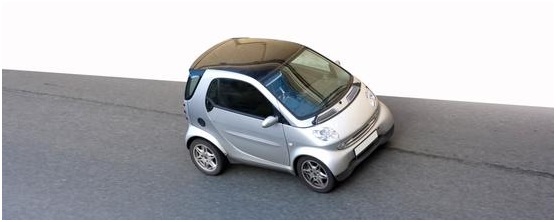
Plastics are very important in the automotive sector as well. Today, approximately 15% of vehicles are made of plastics. Thanks to plastics, a lighter vehicle, for example, saves 750 liters of fuel after traveling 150,000 kilometers.
Without plastics, our cars would be 200–300 kg heavier. Every 100 kg of plastic components in vehicles reduces annual gasoline consumption by 12 million tons and CO2 emissions by 30 million tons in Europe.
The use of plastics in the automotive sector has been increasing over the years. Considering that there are an average of 800 million vehicles worldwide, the use of just 1 kg of plastic in their production saves 1 billion dollars in fuel per year.
Aircraft also use plastics up to 50%, which corresponds to up to 50% fuel savings. The world’s largest aircraft, the Airbus A380, carries 853 passengers over 14,800 km thanks to the use of plastics.
Plastics are also environmentally friendly during production. Oil and gas usage in heating, electricity, and energy production can reach 42%, whereas it is only 4% in plastic production.
Every tree saved thanks to plastics produces the oxygen consumed by four people daily and absorbs the carbon dioxide exhaled by seven people.
In the construction sector, plastic insulation materials save energy and reduce greenhouse gas emissions, benefiting the environment.
Using plastic thermal insulation in buildings reduces the current account deficit caused by lack of insulation by 33%. Similarly, plastic wind turbines and solar panels reduce greenhouse gas emissions.
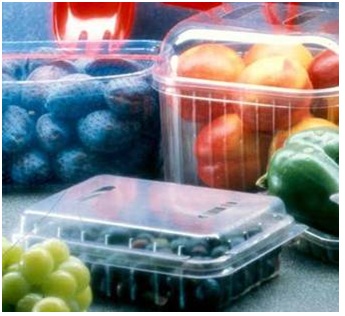
Plastics in food packaging extend the shelf life of products, preventing waste. The lightness of plastic packaging also benefits the environment. Thanks to plastic packaging, more products can be transported at once, consuming less fuel during transportation. Without plastic packaging, retailers would need to double transport frequency.
In Europe, 17% of packaging and 50% of all consumer goods packaging is made of plastic. Without plastics, packaging weight would quadruple, production costs and energy consumption would double, and waste volume would increase by 150%.
Without plastics, packaging waste alone would increase by 160% because plastics are lightweight and durable, allowing manufacturers to reduce package sizes. For example, without plastics, the energy required for packaging would double, equivalent to 6.7 billion liters of petroleum and 9 trillion liters of natural gas in the United States.
Sports equipment like footballs, basketballs, volleyballs, surfboards, and sports shoes are improved by plastics. Plastic is also crucial in electronic devices like LCD screens, MP3 players, and touchscreens.
Without plastics, small household appliances and electronic devices could not be produced at affordable prices, and their durability would be 40% shorter due to wear and abrasive effects.
Plastics Are Safe for Health!
Plastics are everywhere in our lives, from medicine to agriculture, acting as hidden heroes that protect our health.
Scientific studies by the German Society of Toxicology and the Statistical Risk Assessment Service show that BPA in plastic bottles and jugs does not pose a health risk to babies or humans.
Research by Hacettepe University Food Research Center (HÜGAM) also shows that the risk of BPA migrating into water is “negligible” for human health. According to the study, a person would need to drink 60 jugs daily, and a baby 6 jugs, for BPA in PC jugs to reach a harmful level. Even if water stayed in a jug under sunlight for 32 years, the risk would become significant.
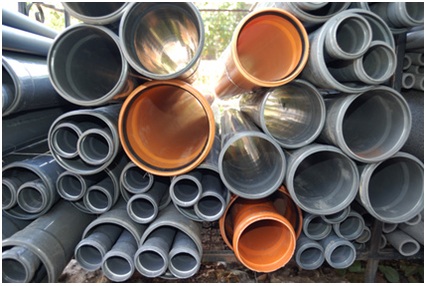
Unfortunately, over 1 billion people worldwide lack access to drinkable water. Plastics enable safe, economical, and reliable water delivery. Cheap, lightweight, non-toxic, and easy-to-install plastic pipes provide clean water to millions, especially in developing countries.
Without plastics, the number of people facing hunger and thirst in Africa could reach tens of millions.
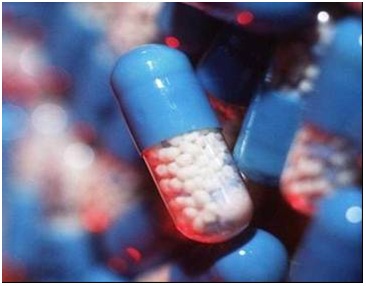
The health sector has achieved its modern structure thanks to plastics. From the moment a baby is born, plastics are present—from medical gloves to IV bags, drug containers to single-use syringes, and incubators to dialysis machines, plastics are indispensable for human health.
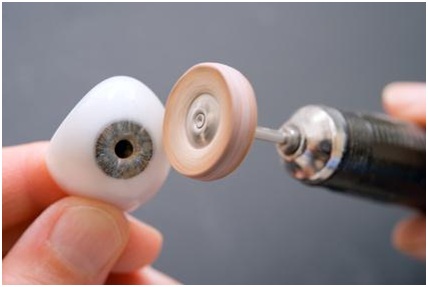
Plastics are used in catheters for heart surgeries, surgical threads, blood bags, prosthetics, artificial corneas, and hearing aids, saving lives and helping people overcome disabilities.
Condoms made from plastic enable family planning and prevent deadly diseases like AIDS. Single-use plastic cups and plates significantly reduce the spread of infectious diseases. Considering that in the 17th century, 25% of Europeans died from plague, the importance of plastics becomes clear. Single-use plastic products provide superior hygiene and eliminate the negative impact of detergents released into water during washing.
Airbags, seat belts, infant car seats, and motorcycle helmets are made from plastic. Plastic is also used to make bicycle helmets, life jackets, and protective pads, helping prevent injuries to children.
Plastics are also critical in agriculture. Plastic irrigation pipes and greenhouse covers triple crop yields, and drip irrigation pipes reduce water usage by five times compared to traditional irrigation methods.
Without plastics, agricultural productivity would be unthinkable, and we might face a day of scarcity.